How to Turn a Small Shop Into a Mini-Supermarket in Kenya - Complete Guide
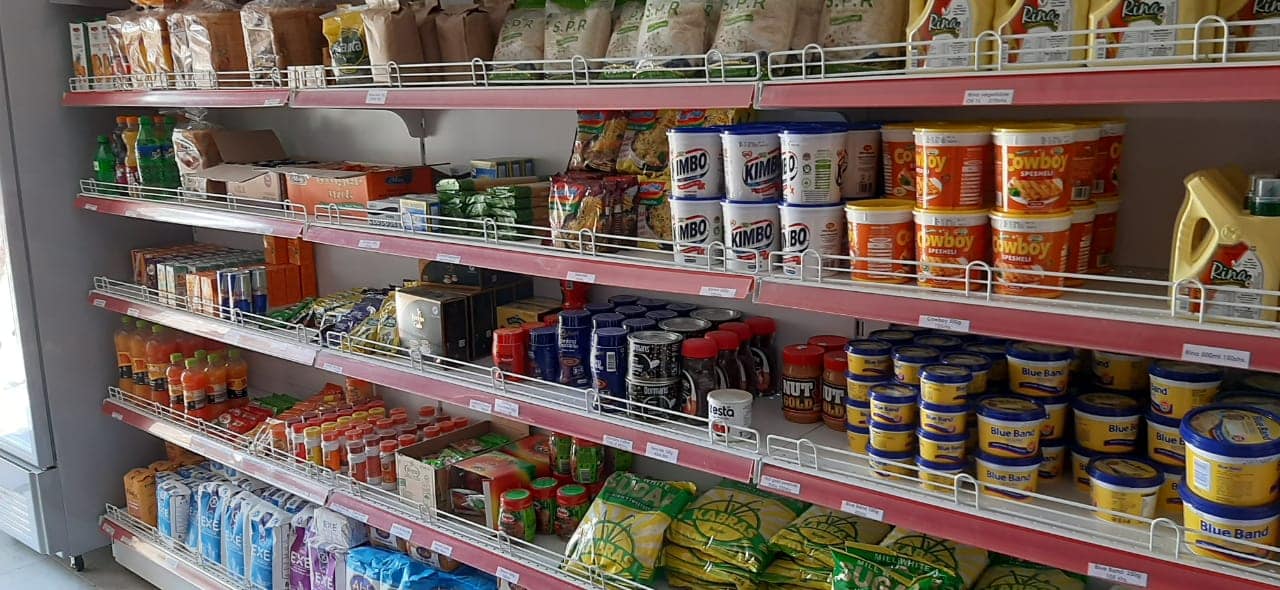
Are you a small shop owner in Kenya looking to expand your business and tap into the growing demand for convenience shopping? Turning your small shop into a mini-supermarket can be a game-changer, but it requires careful planning and execution. According to a recent study, the Kenyan retail market is expected to grow by 10% annually, making it an attractive opportunity for entrepreneurs. With a relatively low initial investment, starting a mini-supermarket in Kenya can be a profitable venture. However, it's essential to understand the key requirements and considerations involved in making this transition. In this comprehensive guide, we'll walk you through the steps to turn your small shop into a thriving mini-supermarket in Kenya.Overview and IntroductionIn Kenya, turning a small shop into a mini-supermarket can be a lucrative business venture. A mini-supermarket is a smaller version of a full-fledged supermarket, offering a range of essential goods and services to the local community. This type of business is essential for providing convenience and accessibility to consumers, especially in urban and rural areas where large supermarkets may not be readily available.The importance of mini-supermarkets cannot be overstated. They provide a platform for entrepreneurs to offer a variety of products, including fresh produce, packaged goods, and household essentials. By doing so, they help to meet the daily needs of consumers, creating a sense of community and convenience. In addition, mini-supermarkets can also serve as a hub for local economic growth, creating employment opportunities and stimulating economic activity in the surrounding area.To start a mini-supermarket in Kenya, it's essential to understand the basic requirements and regulations involved. This includes obtaining necessary permits and licenses, registering the business, and ensuring compliance with health and safety standards. By following these steps and understanding the importance of mini-supermarkets, entrepreneurs can establish a successful and sustainable business that meets the needs of their local community.Key Features and BenefitsA mini-supermarket in Kenya typically features a wide range of products, including fresh produce, meat, dairy products, and packaged goods. This format allows customers to access a variety of products under one roof, making it a convenient option for busy households and individuals. The layout of a mini-supermarket often includes designated sections for different product categories, such as a bakery, a dairy section, and a fresh produce area.One of the key benefits of a mini-supermarket is its ability to provide a one-stop shopping experience, saving customers time and effort. This format also enables business owners to offer competitive pricing and promotions, making it an attractive option for price-conscious consumers. Additionally, mini-supermarkets often have a more personalized shopping experience, with staff available to assist customers with their purchases and provide expert advice on products.In terms of benefits, a mini-supermarket can provide a range of advantages to both customers and business owners. For customers, it offers a convenient and accessible shopping experience, while for business owners, it provides an opportunity to increase revenue and build a loyal customer base. By understanding the key features and benefits of a mini-supermarket, entrepreneurs can make informed decisions about starting or expanding their business in Kenya.How It WorksTo turn a small shop into a mini-supermarket in Kenya, you'll need to follow a series of steps. The process begins with obtaining the necessary permits and licenses. This includes a health certificate, which costs around Ksh5,000, and a business permit. You'll also need to register your business with the relevant authorities.AspectDetailsAnnual Business Permit CostKsh5,000Registration & Permits CostK5,000Setup & Equipment CostK23,000Refrigeration CostK30,000Stock & Supplies CostK13,000Rent & Deposit CostK9,000Total Initial InvestmentK76,000Health Certificate CostK5,000Business Plan TypeProfitable Mini Supermarket Business PlanOnce you have your permits, infrastructure, and stock in place, you can start operating your mini-supermarket. This will involve managing your inventory, pricing your products competitively, and providing excellent customer service. By following these steps and investing in the right equipment and supplies, you can turn your small shop into a thriving mini-supermarket in Kenya.Types and VariationsIn Kenya, there are various types of mini-supermarkets that can be established, each with its unique characteristics and requirements. Mini-marts are small, convenience stores that offer a limited range of products, often focusing on essentials such as food, beverages, and household items. Superette stores, on the other hand, are slightly larger and may offer a broader selection of products, including fresh produce, meat, and dairy products.Another option is to establish a corner store, which is a small, neighborhood-based store that offers a limited range of products, often with a focus on convenience and quick service. Online mini-supermarkets are also becoming increasingly popular in Kenya, allowing customers to shop online and have their products delivered to their doorstep. These online stores often offer a wide range of products, including fresh produce, meat, and dairy products, as well as household essentials.When deciding on the type of mini-supermarket to establish, it's essential to consider factors such as target market, competition, and available resources. Rent and deposit costs for different types of stores vary, with mini-marts and corner stores often requiring lower initial investments compared to superette stores and online mini-supermarkets.Best Practices and TipsWhen turning a small shop into a mini-supermarket in Kenya, it's essential to consider the unique challenges and opportunities that come with this venture. A well-planned budget is crucial to ensure the success of your mini-supermarket. Allocate funds for essential items such as refrigeration, stock, and supplies, as well as registration and permits. According to industry estimates, the total cost of setting up a mini-supermarket can range from Ksh150,000 to Ksh300,000.To avoid common pitfalls, it's vital to research and understand the local market demand, competition, and consumer behavior. Conduct thorough market research to identify the types of products that are in high demand and the target audience for your mini-supermarket. Additionally, ensure that you have a solid business plan in place, including projections for revenue and expenses.In terms of day-to-day operations, it's essential to maintain high standards of cleanliness and hygiene to prevent the spread of diseases. Obtain a health certificate at a cost of about Ksh5,000 to demonstrate your commitment to public health. By following these best practices and tips, you can set your mini-supermarket up for success and establish a loyal customer base in Kenya.Common Mistakes to AvoidWhen transforming a small shop into a mini-supermarket in Kenya, it's essential to steer clear of common pitfalls that can hinder your success. One mistake to avoid is underestimating the costs associated with registration and permits. A health certificate, for instance, can cost around Ksh5,000, and failure to obtain this document can lead to penalties or even the closure of your business. Furthermore, not having a comprehensive budget breakdown can lead to financial mismanagement and ultimately, business failure.Another common error is not considering the long-term implications of your business decisions. For example, investing in substandard equipment can lead to frequent breakdowns and maintenance costs, eating into your profit margins. A refrigeration system, for instance, can cost around Ksh30,000, and it's crucial to invest in a reliable one to maintain the quality of your products. Additionally, not conducting thorough market research can lead to poor product selection and a failure to meet customer demands.To avoid these mistakes, it's crucial to conduct thorough market research, create a comprehensive budget breakdown, and invest in high-quality equipment. A well-planned business strategy can help you navigate the challenges of running a mini-supermarket in Kenya and ensure long-term success. By being aware of these common pitfalls, you can take the necessary steps to avoid them and build a thriving business.Conclusion and Final ThoughtsIn conclusion, turning a small shop into a mini-supermarket in Kenya requires careful planning and execution. Key takeaways from this article include understanding the importance of registration and permits, budgeting for setup and equipment, and selecting the right location. To ensure success, it's essential to conduct thorough market research and create a solid business plan.Looking ahead, the mini-supermarket industry in Kenya is expected to continue growing, driven by increasing demand for convenient shopping experiences. As a result, entrepreneurs who are willing to invest time and resources into their businesses are likely to reap significant rewards. By following the best practices and tips outlined in this article, you can position your mini-supermarket for success and capitalize on this growing trend.
By Admin


 General
 General
 General