Are you tired of scrambling to restock shelves or facing costly stockouts in your small shop? Effective stock tracking is crucial for small businesses to stay competitive and keep their customers happy. In fact, a study found that 75% of small businesses experience inventory-related issues, resulting in lost sales and revenue. Inventory management is not just about keeping track of products; it's about understanding your customers' needs and optimizing your supply chain to meet them. With the right inventory management strategies, small shop owners can avoid common pitfalls and focus on what matters most – growing their business and serving their customers.
Why Accurate Stock Tracking is Crucial for Small Shops
Accurate stock tracking is crucial for small shops to maintain a smooth business operation. Inefficient inventory management can lead to stock shortages, resulting in lost sales and revenue. When stock levels are not accurately tracked, businesses may experience stockouts, which can lead to disappointed customers and a loss of reputation. Moreover, stock shortages can also cause delays in restocking, leading to further losses.
The consequences of stock shortages can be severe, including lost revenue, decreased customer satisfaction, and damage to the business's reputation. Efficient inventory management helps businesses avoid these consequences by ensuring that stock levels are accurately tracked and maintained. This enables businesses to respond quickly to changes in demand and make informed decisions about inventory replenishment.
By implementing accurate stock tracking, small shops can reduce waste, minimize stockouts, and optimize their inventory levels. This, in turn, can lead to increased efficiency, reduced costs, and improved customer satisfaction. By prioritizing accurate stock tracking, small shops can set themselves up for success and achieve long-term growth and profitability.
Choosing the Right Inventory Tracking Method for Your Small Shop
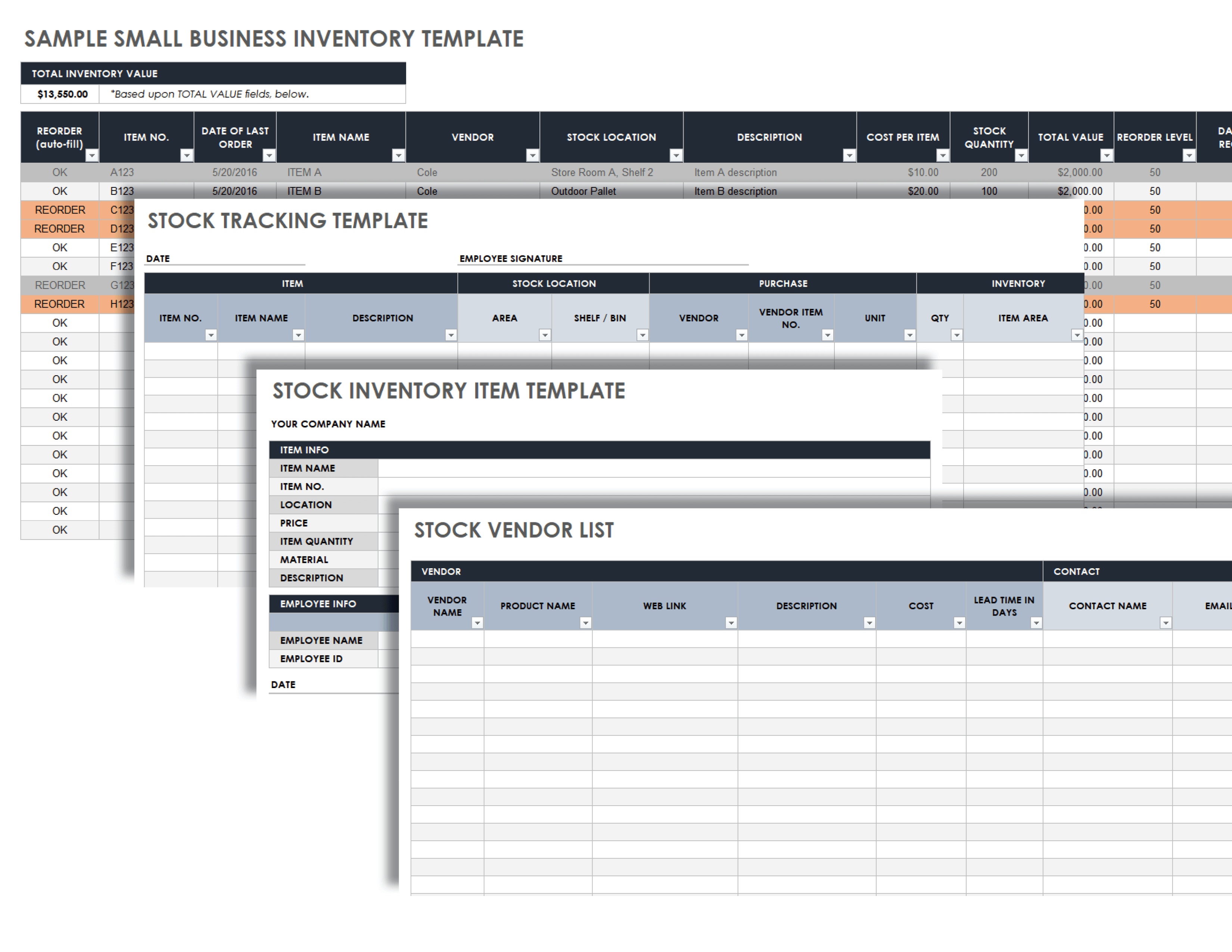
When it comes to tracking stock in a small shop, you have two primary options: manual and digital inventory tracking methods. Manual methods involve using physical tools such as paper, pens, and calculators to record and track stock levels. This approach can be time-consuming and prone to errors, but it's a cost-effective option for small businesses with limited resources. On the other hand, digital methods utilize inventory management software or apps to track stock levels in real-time. This approach offers greater accuracy, efficiency, and scalability, making it an ideal choice for growing businesses.
When selecting an inventory tracking method, consider the size and complexity of your business. If you have a small, simple inventory, a manual method might suffice. However, if you have a large or complex inventory, a digital method is likely a better fit. Additionally, think about the level of accuracy and detail you require. If you need to track stock levels by location, supplier, or product category, a digital method is a better choice. Finally, consider the cost and scalability of the method. While manual methods are free, they may not be as scalable as digital methods, which can grow with your business.
Ultimately, the right inventory tracking method for your small shop depends on your specific needs and resources. Take the time to weigh the pros and cons of each option and consider factors such as accuracy, efficiency, scalability, and cost. By choosing the right method, you can ensure accurate stock tracking, avoid stock shortages, and make informed business decisions.
Implementing a Stock Tracking System: A Step-by-Step Guide

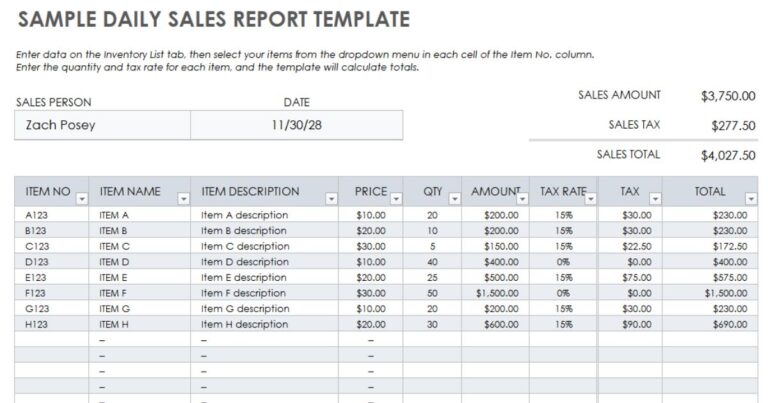
To implement a stock tracking system, you'll need to decide whether to use a manual or digital system. A manual system involves using a spreadsheet or a notebook to track stock levels, while a digital system uses specialized software or apps. Assigning stock levels is an essential part of both systems, as it helps you determine how much stock you have on hand and when to reorder. For a manual system, you can use a simple spreadsheet to track stock levels, while a digital system will often have pre-set fields for stock quantities and reorder points.
| Aspect | Details |
|---|---|
| Required Inventory Tracking | No, for small businesses with less than $25M in annual sales |
| Effective Inventory Management | Keeps business running smoothly |
| Inventory Management Software | Used to track sales trends and predict demand |
| Real-time Inventory Tracking | Possible with inventory management software |
| Reorder Points | Set to avoid stock shortages |
| Regular Audits | Conducted to ensure inventory accuracy |
| Free Inventory Tracking Options | Pen and paper, spreadsheets, software |
| Inventory Forecasting | Based on sales trends and supplier contact |
| Key Benefits of Inventory Management | Avoids stock shortages, improves sales forecasting |
Once you've set up your system, you'll need to start tracking sales and stock movements. This involves recording every sale, return, or transfer of stock to ensure that your stock levels are accurate. Tracking sales and stock movements helps you identify trends and patterns in your business, which can inform your purchasing decisions and help you avoid stock shortages. You can use a barcode scanner or a simple pen and paper to track stock movements, or you can use a digital system to automate the process.
As you track your stock levels, be sure to regularly review your data to identify areas for improvement. This might involve adjusting your stock levels based on sales trends, or implementing a system for tracking stock levels in real-time. By following these steps, you can create a stock tracking system that helps you manage your inventory effectively and make informed decisions about your business.
Tips for Maintaining Accurate Stock Levels in Your Small Shop

Monitoring stock levels is also crucial for maintaining accurate stock levels. Keep track of sales trends and adjust your stock levels accordingly. Use data to forecast demand, and make adjustments to your stock levels based on historical sales data. This will help you avoid stock shortages and overstocking, which can lead to wasted resources and lost sales.
Adjusting stock levels based on sales trends is a critical step in maintaining accurate stock levels. Keep a close eye on slow-moving items and consider reducing your stock levels for these items. On the other hand, increase stock levels for fast-moving items to ensure you have enough stock to meet customer demand. By regularly monitoring and adjusting your stock levels, you can maintain accurate stock levels and reduce the risk of stock shortages and overstocking.
Overcoming Common Stock Tracking Challenges in Small Shops
Dealing with stock discrepancies can be a significant challenge for small shops. Stock discrepancies occur when the physical count of stock does not match the recorded stock levels. This can be due to various reasons such as human error, theft, or damage. To overcome this challenge, small shop owners can implement a regular stock audit system. This involves counting the physical stock levels at regular intervals to ensure accuracy. Additionally, using a digital inventory tracking system can help to minimize errors and provide real-time updates on stock levels.
Managing stock levels during peak seasons can be another challenge for small shops. Peak seasons often lead to increased demand and stock levels may need to be replenished quickly. To overcome this challenge, small shop owners can use data to forecast demand and set reorder points. This involves analyzing historical sales data to predict future demand and setting a reorder point to ensure that stock levels are replenished before they run out. By doing so, small shop owners can avoid stock shortages and ensure that their customers have access to the products they need.
Handling stock shortages can be a significant challenge for small shops. Stock shortages can lead to lost sales and damage to customer relationships. To overcome this challenge, small shop owners can use a combination of data analysis and supplier relationships to predict and prevent stock shortages. By analyzing sales trends and supplier lead times, small shop owners can identify potential stock shortages and take proactive measures to prevent them. This may involve ordering additional stock or adjusting supplier lead times to ensure that stock levels are maintained.
Leveraging Technology to Enhance Stock Tracking in Small Shops
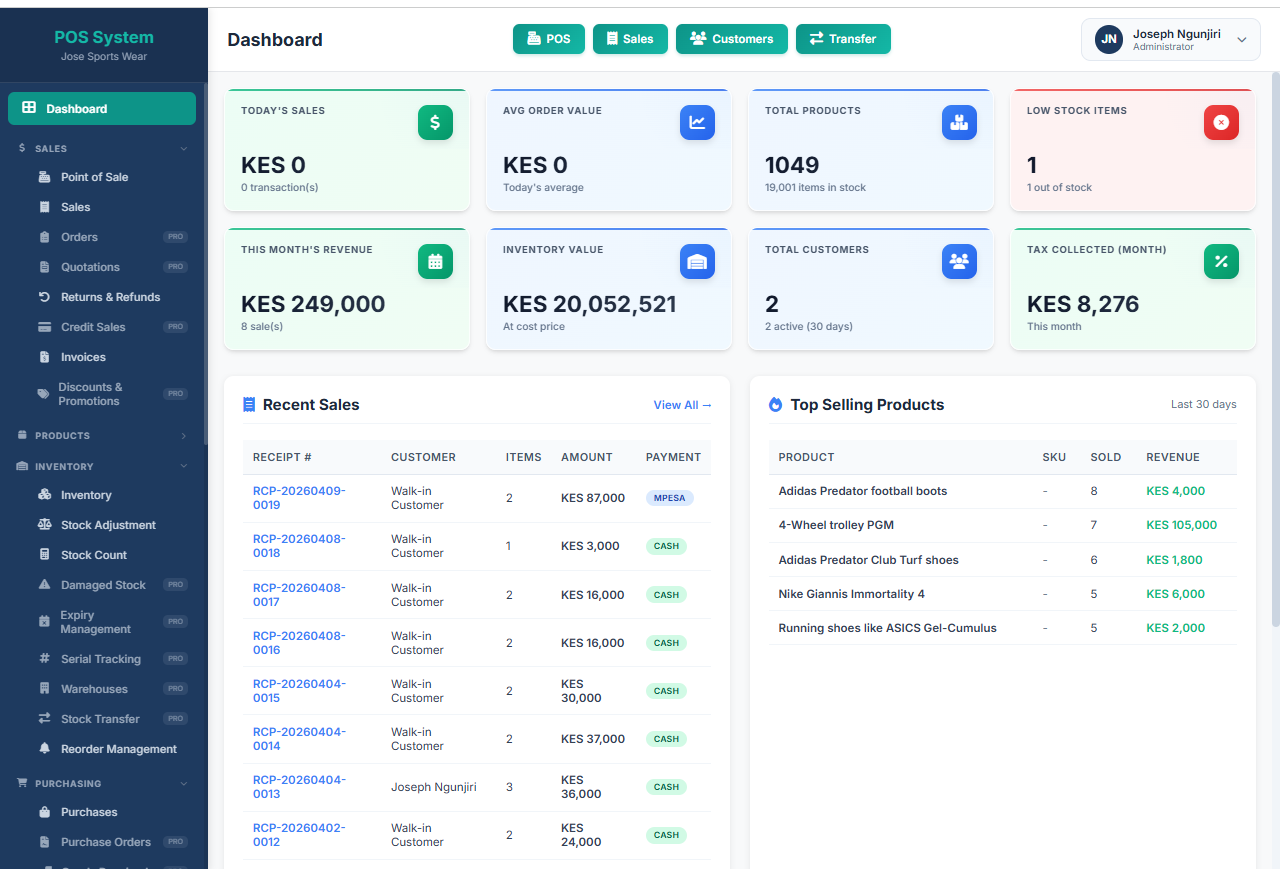
Inventory management software has revolutionized the way small shops track their stock levels. By leveraging technology, businesses can streamline their inventory management processes, reduce errors, and increase efficiency. Cloud-based inventory management software, in particular, offers a range of benefits, including real-time tracking, automated reporting, and seamless integration with point-of-sale systems.
Some popular inventory management software options include TradeGecko, Zoho Inventory, and Skubana. These platforms provide a user-friendly interface, customizable reports, and advanced analytics to help small shop owners make informed decisions about their inventory. By using inventory management software, businesses can also automate tasks such as tracking stock levels, generating purchase orders, and managing supplier relationships. This allows owners to focus on more strategic aspects of their business, such as marketing and customer service.
Conclusion: Effective Stock Tracking for Small Shop Success
In conclusion, effective stock tracking is crucial for small shop success. By implementing a reliable inventory management system, you can avoid stock shortages, reduce waste, and improve customer satisfaction. Regularly tracking stock levels and monitoring sales trends will help you make informed decisions about inventory replenishment and optimize your stock levels.
To maintain accurate stock levels, it's essential to conduct regular stock audits and adjust your stock levels based on sales trends. Categorize your inventory to ensure that you're tracking the right items and making informed decisions about inventory management. Additionally, keep in regular contact with your suppliers to share sales forecasts and ensure timely restocking.
By following these tips and maintaining a commitment to ongoing stock tracking, small business owners can ensure that their inventory management system is effective and efficient. Stay on top of your stock levels and make adjustments as needed to ensure that your small shop remains competitive and profitable.

Comments (0)
Leave a Comment
No comments yet. Be the first to share your thoughts!