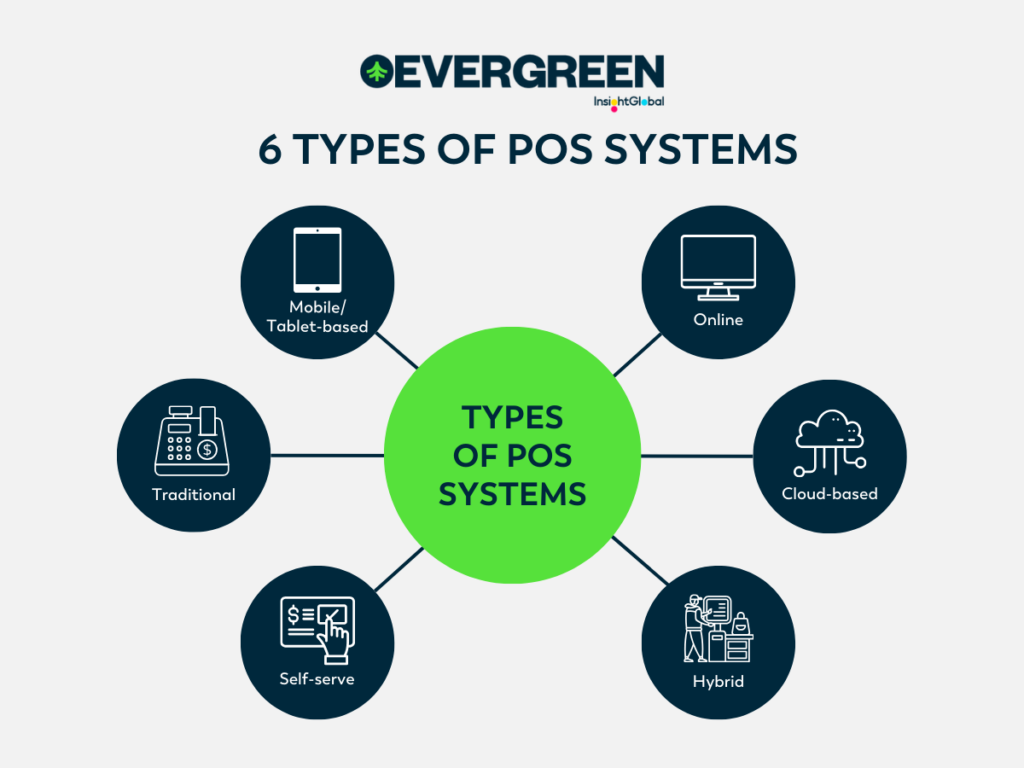
Are you tired of manual transactions and inefficient sales processes? Choosing the right Point of Sale (POS) system can make all the difference for your business. With the rapid evolution of technology, the types of POS systems have expanded, offering businesses more flexibility and convenience than ever before. In fact, a recent survey found that 70% of small businesses have adopted cloud-based POS systems, citing improved efficiency and scalability as key benefits. In this article, we'll delve into the three main types of POS systems: mobile, cloud, and desktop solutions, helping you navigate the options and find the perfect fit for your business needs.
What Are POS Systems and Why Do Businesses Need Them?
A Point of Sale (POS) system is a crucial tool for businesses, enabling them to efficiently manage transactions, track inventory, and monitor profits. These systems are designed to simplify the sales process, making it easier for businesses to focus on customer service and growth. By using a POS system, businesses can streamline their operations, reduce errors, and improve overall efficiency.
Retail, hospitality, and service providers are among the most common industries that use POS systems. These businesses rely on POS systems to manage transactions, track inventory, and monitor customer behavior. With a POS system, businesses can easily manage stock levels, monitor profits, and track credit customers. For example, a retail business can use a POS system to track inventory levels, manage stock replenishment, and monitor sales trends. Similarly, a hospitality business can use a POS system to manage table reservations, track menu items, and monitor customer loyalty programs.
By implementing a POS system, businesses can gain valuable insights into their operations, making it easier to make informed decisions about inventory management, pricing, and marketing strategies. With a POS system, businesses can also improve customer satisfaction by providing a seamless and efficient sales experience. Whether you're a small shop or a growing enterprise, a POS system can help you operate efficiently, build customer trust, and drive business growth.
The Evolution of POS Systems: From Legacy to Cloud-Based Solutions
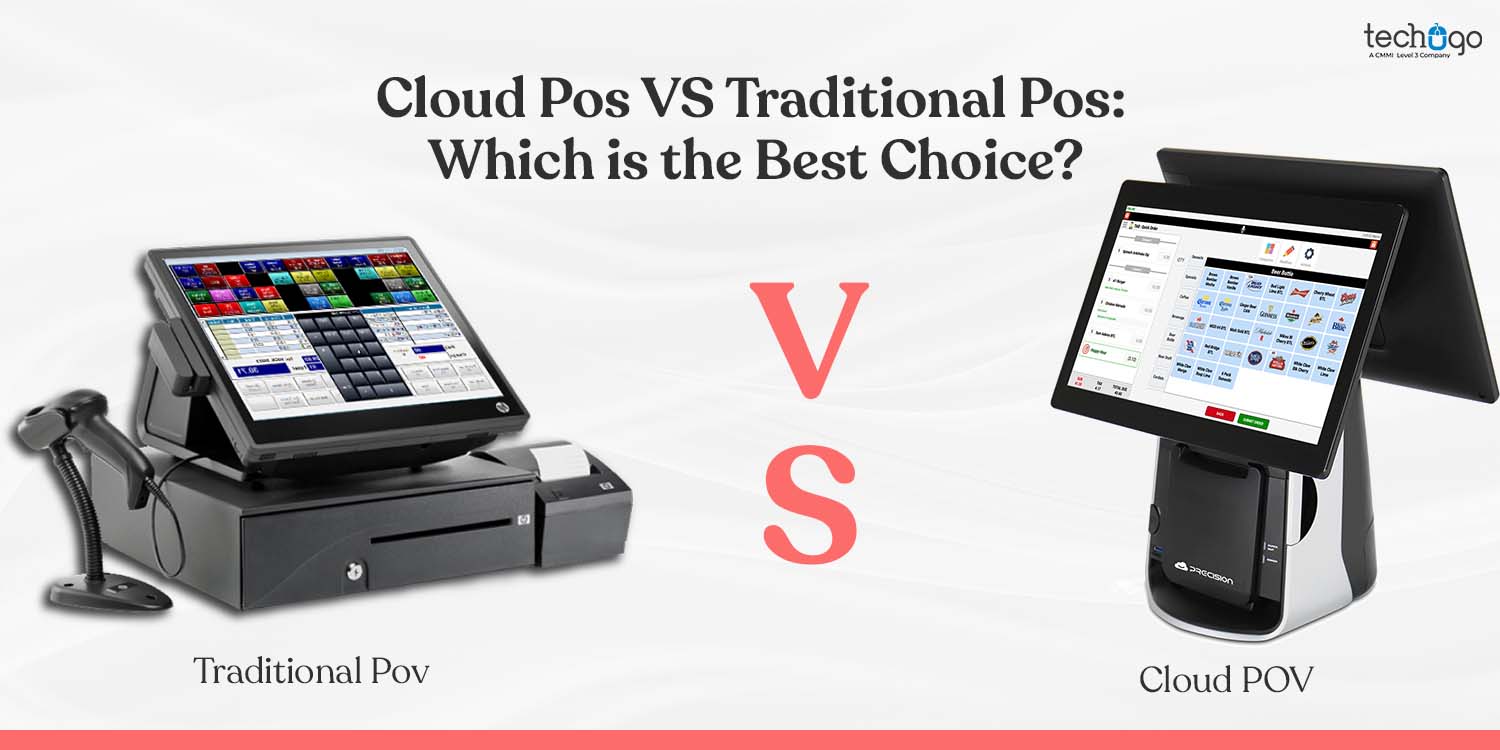
The history of POS systems dates back to the early 1970s when the first electronic cash registers were introduced. Over the years, these systems evolved from basic cash registers to sophisticated point of sale systems that integrated various functions such as inventory management, customer tracking, and reporting. However, these legacy systems had limitations, including high maintenance costs, limited scalability, and inflexibility.
The development of cloud-based POS systems revolutionized the industry by providing businesses with a more efficient, scalable, and reliable solution. Cloud-based POS systems allow businesses to access their sales data and manage their operations remotely, making it easier to manage multiple locations and track sales in real-time. This has enabled businesses to make informed decisions and respond quickly to changing market conditions.
The advantages of cloud-based POS systems are numerous. They offer real-time reporting, inventory tracking, and fast sales processing, making it easier for businesses to manage their operations and improve customer satisfaction. Additionally, cloud-based POS systems are more secure and reliable than legacy systems, reducing the risk of data loss and downtime. This has made cloud-based POS systems the preferred choice for many businesses, particularly those in the retail, hospitality, and service industries.
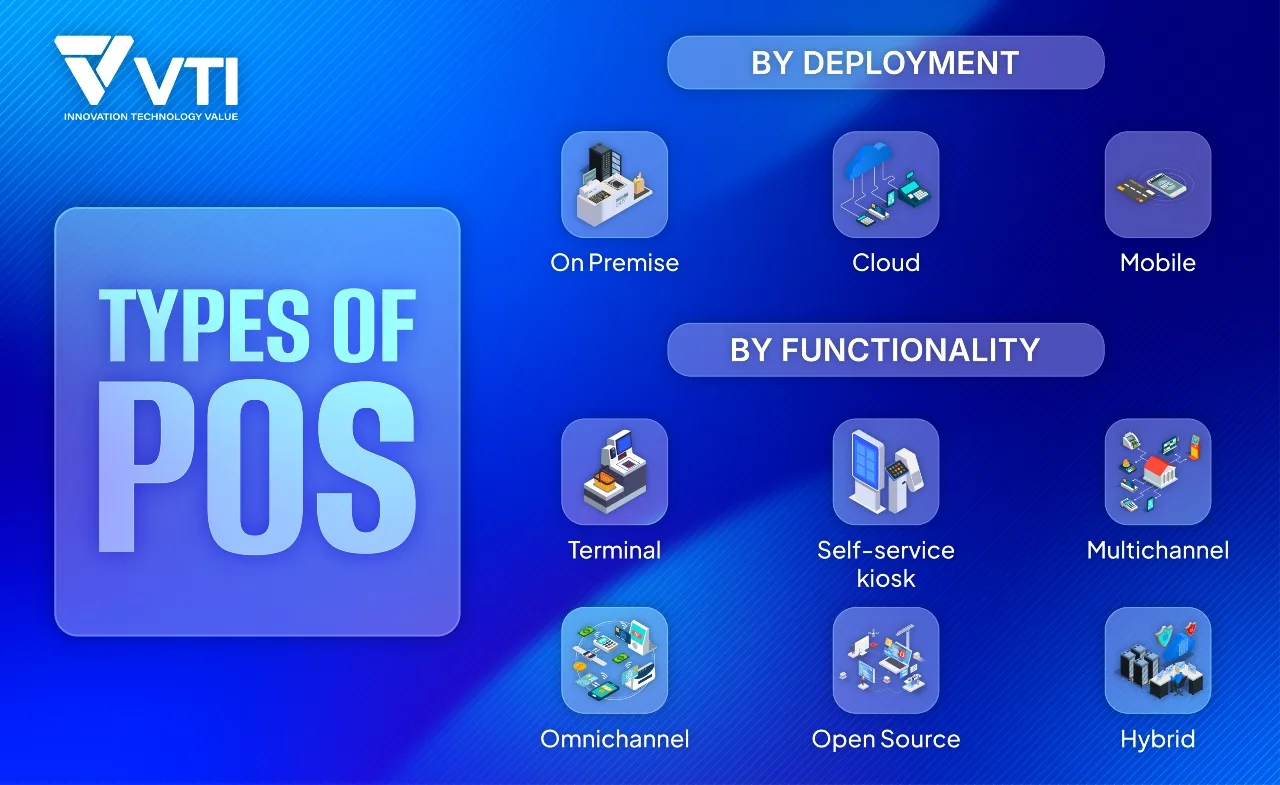
Types of POS Systems: Mobile, Cloud, and Desktop Solutions
Mobile POS systems are designed to provide businesses with the flexibility to process transactions on-the-go. These systems are typically used by businesses that require mobility, such as food trucks, festivals, or retail stores with multiple locations. Key features of mobile POS systems include barcode scanning, payment processing, and inventory management. Mobile POS systems often work offline, allowing businesses to process transactions even without an internet connection. This makes them ideal for businesses that operate in areas with poor internet connectivity.
| Aspect | Details |
|---|---|
| Type | Mobile POS, Cloud-Based POS, Desktop POS, Tablet-Based POS |
| Applications | Retail, Hospitality, Service Providers |
| Benefits | Fast sales processing, Inventory tracking, Real-time reporting |
| Availability | Online and Offline |
| Best For | Small businesses, Retail, Hospitality, Service Providers |
Cloud POS Systems: Scalability and Reliability for Growing Businesses
Cloud POS systems, on the other hand, are designed to provide businesses with scalability and reliability. These systems are hosted on remote servers and can be accessed from anywhere with an internet connection. Cloud POS systems offer real-time reporting, inventory tracking, and automatic software updates, making them ideal for growing businesses that require flexibility and scalability. Cloud POS systems also offer advanced security features, such as encryption and two-factor authentication, to protect sensitive business data.
Desktop POS Systems: Traditional Solutions for Small Businesses
Desktop POS systems are traditional solutions that are designed for small businesses that require a simple and easy-to-use system. These systems are typically installed on a physical computer and offer offline functionality, barcode scanning, and payment processing. Desktop POS systems are ideal for small businesses that operate in a single location and require a straightforward and easy-to-use system. They are often less expensive than cloud or mobile POS systems and offer a low-cost entry point for businesses that are just starting out.
Mobile POS Systems: Convenience and Flexibility for Businesses

Mobile POS systems offer businesses unparalleled convenience and flexibility, making them an attractive option for retailers, hospitality providers, and service providers alike. One of the key advantages of mobile POS systems is their ability to process transactions anywhere, at any time. This is made possible by the use of mobile devices such as smartphones and tablets, which can be easily carried around and used to process sales. Additionally, mobile POS systems often come equipped with barcode scanning capabilities, allowing businesses to quickly and accurately scan products and track inventory.
Another significant benefit of mobile POS systems is their ability to integrate with various payment processing methods, including credit and debit cards, mobile payments, and even cash. This makes it easy for businesses to accept payments from customers, regardless of their preferred payment method. Furthermore, mobile POS systems often provide real-time reporting and analytics, allowing businesses to track sales, monitor inventory, and make informed decisions about their operations.
Mobile POS systems are particularly well-suited to businesses that operate in a variety of locations, such as food trucks, festivals, or markets. They are also a great option for businesses that need to process transactions in areas with limited internet connectivity. With the ability to work both online and offline, mobile POS systems provide businesses with the flexibility and convenience they need to operate efficiently and effectively.
Cloud POS Systems: Scalability and Reliability for Growing Businesses
Cloud POS systems offer numerous advantages for growing businesses, particularly those in retail, hospitality, and service providers. One of the key benefits is scalability, allowing businesses to easily expand their operations without worrying about the infrastructure. This is made possible by cloud-based systems that can handle increased traffic and transactions, ensuring seamless performance.
Another significant advantage of cloud POS systems is real-time reporting, which enables businesses to track sales, inventory, and customer behavior in real-time. This feature is particularly useful for businesses that need to make informed decisions quickly, such as those in the hospitality industry. Additionally, cloud POS systems often come with inventory tracking, which helps businesses manage stock levels and prevent overstocking or understocking.
Cloud POS systems are ideal for businesses that need to operate efficiently and reliably, regardless of their size or location. With features like barcode support and M-Pesa integration, businesses can streamline their operations and provide a better customer experience. Whether it's a small shop or a growing enterprise, cloud POS systems offer an affordable and scalable solution designed for local market needs.
Desktop POS Systems: Traditional Solutions for Small Businesses
Desktop POS systems have been a traditional solution for small businesses, offering a reliable and efficient way to manage sales and inventory. One of the key advantages of desktop POS systems is their offline functionality, allowing businesses to continue operating even without an internet connection. This is particularly useful for businesses in areas with poor internet connectivity or those that require frequent transactions offline. Additionally, desktop POS systems often come with barcode scanning capabilities, making it easier for businesses to track inventory and process sales quickly.
Desktop POS systems are commonly used in various industries, including retail, hospitality, and service providers. For instance, small shops and restaurants can benefit from desktop POS systems to manage their sales, track inventory, and monitor profits. Businesses can also use desktop POS systems to manage credit customers, such as those who pay in installments, with ease. This is particularly useful for businesses in countries like Kenya, where credit customers are common.
When choosing a desktop POS system, businesses should look for a solution that offers fast sales processing, inventory tracking, and real-time reporting. They should also consider a system that integrates with their existing payment methods, such as M-Pesa, to ensure seamless transactions. By selecting the right desktop POS system, businesses can operate efficiently, build customer trust, and achieve their goals.
Choosing the Right POS System for Your Business
When selecting a POS system, there are several factors to consider. Business size and industry play a significant role in determining the right POS system. For instance, small retail shops may prefer a desktop POS system for its simplicity and offline functionality, while larger hospitality businesses may benefit from a cloud POS system for its scalability and real-time reporting capabilities. Additionally, budget is a crucial factor, with mobile POS systems often being more affordable than cloud-based solutions.
Industry-specific needs should also be taken into account. For example, service providers may require a POS system that can handle complex pricing and inventory management, while retail businesses may prioritize a system that can track sales and customer behavior. Examples of businesses that have successfully implemented POS systems include small shops in Kenya that have used Devachi POS to streamline their sales and inventory processes, and large hospitality chains that have leveraged cloud POS systems to improve their customer experience and operational efficiency.
Ultimately, the right POS system will depend on the unique needs and goals of your business. By considering factors such as business size, industry, and budget, you can choose a POS system that will help you operate more efficiently and effectively.

Comments (0)
Leave a Comment
No comments yet. Be the first to share your thoughts!